
View this webinar on-demand by logging into the Member Center. If you are not a member, we encourage you to join.
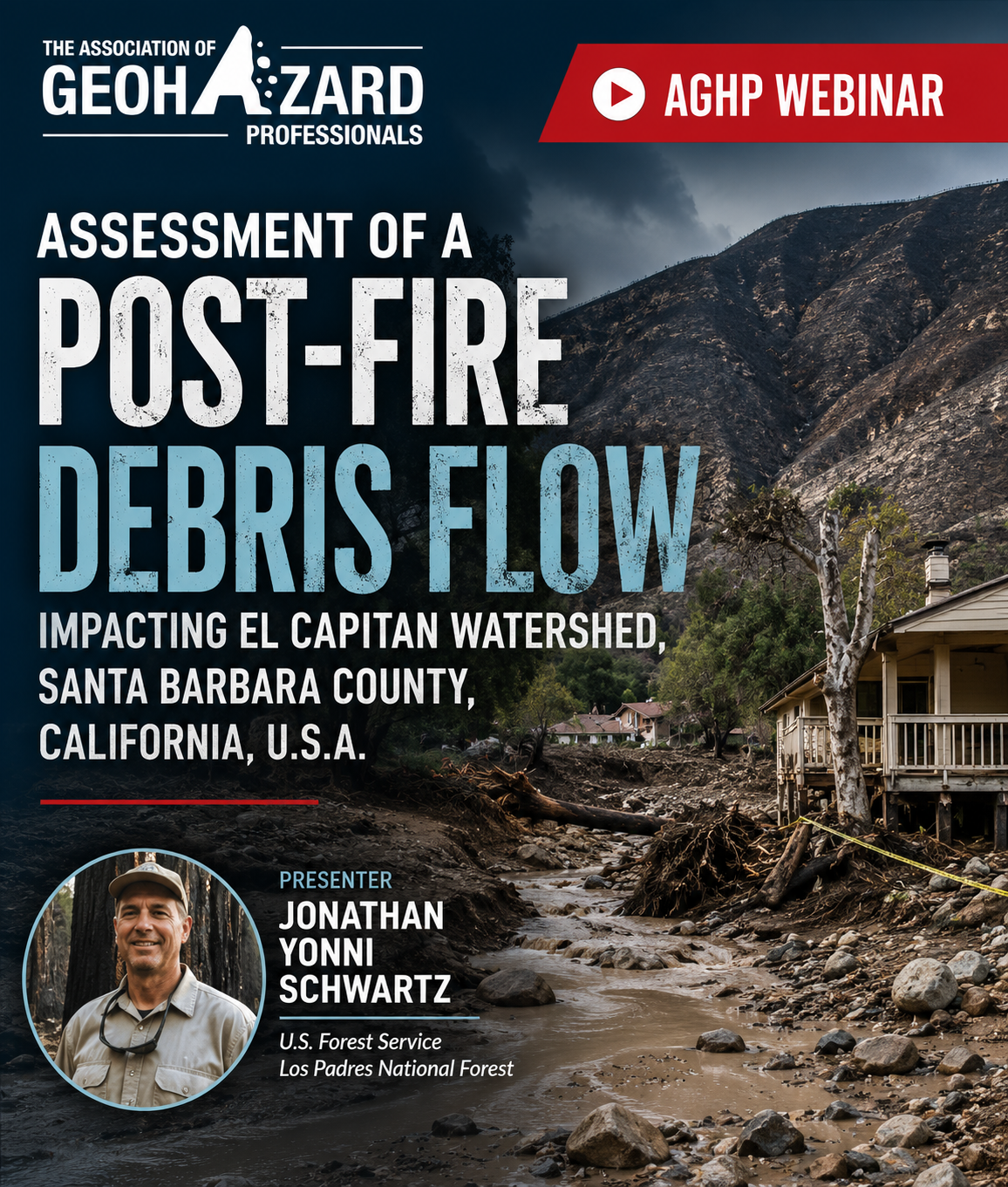
Assessment of a Post-Fire Debris Flow Impacting El Capitan Watershed, Santa Barbara County, California, U.S.A.
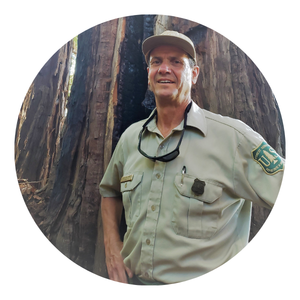
Jonathan Yonni Schwartz earned his bachelor’s and master’s degrees from the University of Haifa, Israel, with a major in Earth Sciences / Physical Geography and minors in Archeology and Marine Sciences. He moved to the United States in 1997 to work on his Ph.D. at the University of Southern California (USC), studying coastal geomorphology with a focus on coastal sediment transport. Two years into his Ph.D. studies, Yonni took a leave of absence for 5-years and taught undergraduate students at various California State Universities in Southern California. Simultaneously, Yonni founded Peaceful Edge Adventures in 2000, a costume design adventure travel company and started guiding clients on mountain climbing, backpacking, kayaking, scuba diving and surfing trips all over the world (www.peacefuledge.com).
Yonni was hired by the U.S. Forest Service in 2004 as a Natural Resource Officer on the Angeles National Forest. He then transferred to the Los Padres National Forest in 2010 where he still works today as the Minerals & Geology Program Manager, the Burned Area Emergency Response (BAER) Program Coordinator and a Lead Resource Advisor on wildfires. Yonni has been acting as US Forest Service, Region 5 (California) Minerals & Geology Program Lead for the last two years.
During his spare time Yonni surfs, bikes, recreates (backpacking, hiking, rock climbing, camping), practices Tai Chi, Yoga and meditation, gardens and raises chickens. With over 40 years of world travel experience, Yonni still explores and goes on world adventures.